Archdiocese of Montreal
The central theme of this Synod is: "For a Synodal Church: Communion, Participation, Mission". This universal journey resonates deeply with our Diocesan Missionary Transformation Project, launched in 2018.
These two dynamics respond to and enrich each other. Together, they call us to listen better, discern better, serve better the Church's mission in Montreal, especially towards the peripheries of our society.
"As the Father has sent me, so I send you" (Jn 20:21)
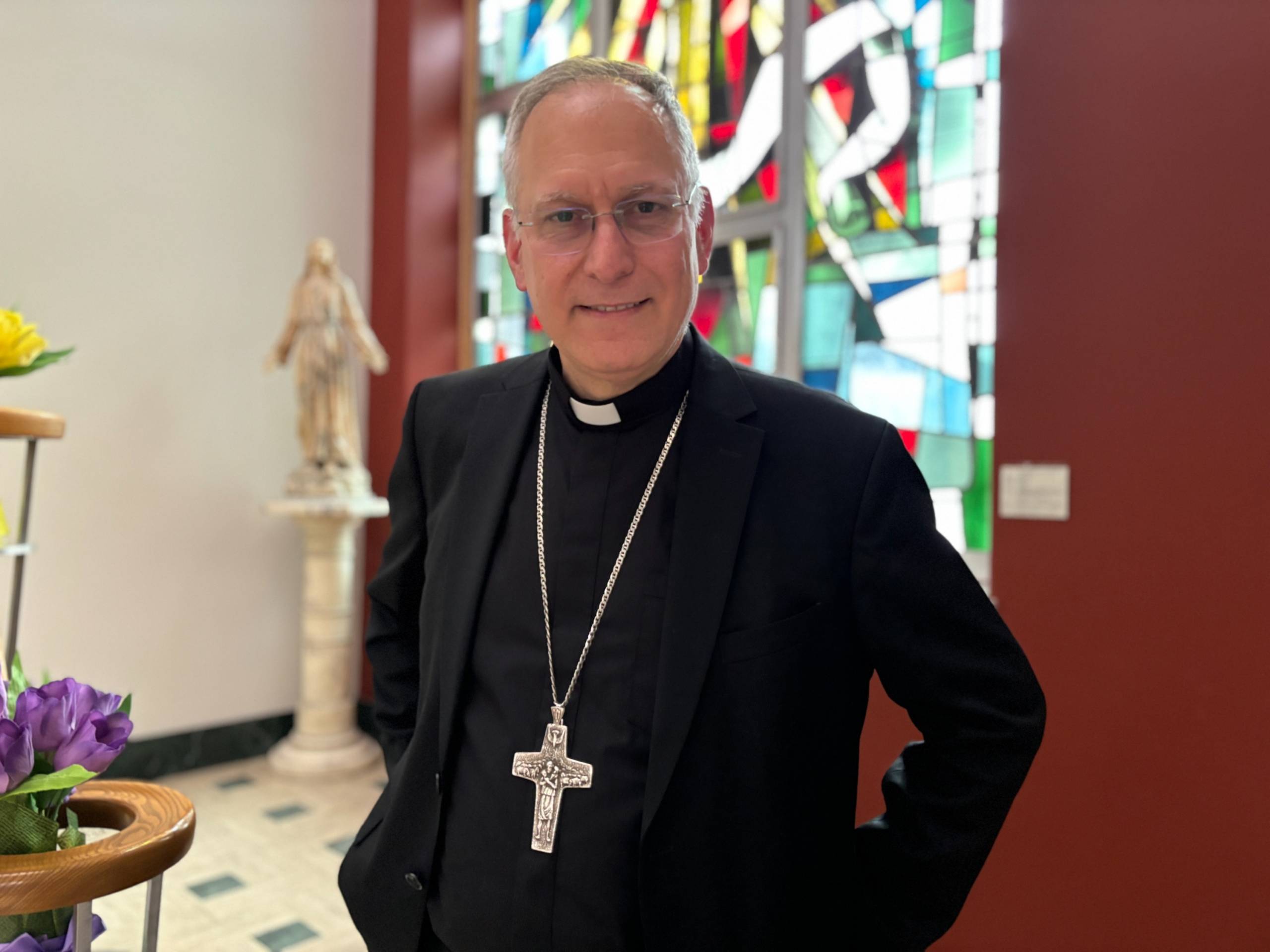
Archbishop Christian Lépine
Archbishop of Montreal
Prophetic call launched by Archbishop Christian Lépine in September 2018, at the launch of the Diocesan Missionary Transformation Project.
Responding to Pope Francis' call in Evangelii Gaudium and to the Quebec bishops' document "The Missionary Turn of Christian Communities" (2016), Archbishop Lépine proposed a clear approach:
This vision aims to transform the local Church into a more open, more listening, and more engaged community in its evangelization mission — a Church that goes to the "peripheries" as Pope Francis calls for.
The Synod on Synodality confirms and enriches this diocesan orientation, by placing it within the universal dynamic of the Church.
Discover Vision 2030"For a Synodal Church: Communion, Participation, Mission"
Synodality is a way of "being Church": walking together, listening to all the People of God, discerning in the Spirit the paths of mission. It expresses the profound nature of the Church as a people on the way, where every baptized person actively participates in the mission.
The 2024 Final Document calls for five conversions: spiritual, relational, procedural, institutional, and missionary. It insists on the call for a poorer, simpler Church, more outward-looking, that listens especially to the most vulnerable and the peripheries.
Our diocesan journey seeks to translate these orientations into the concrete life of parishes, communities, councils and services. It's about creating spaces where mutual listening becomes a habit, where co-responsibility is really exercised, and where the baptismal dignity of each person is recognized and put at the service of the mission.
This synodal conversion is not an addition to our activities, but a renewed way of being Church together, particularly attentive to Montreal realities and the challenges of our time.
Archbishop Christian Lépine launched the project based on Evangelii Gaudium and the "Missionary Turn" of Quebec bishops. Goal: "SEE, DISCERN, TO BETTER SERVE". Three axes: missionary spirituality, presence on the ground, diocesan action plan.
Discover Vision 2030Parishes invited to review their reality. Mobilization difficulties and significant impact of the pandemic on community dynamics.
Articulation between synodality and mission. Production of a diocesan synthesis echoing universal dynamics.
Topics addressed: ecumenism, prayer, social justice, sacraments, God's presence in daily life. Awareness: need to move from observation to concrete actions.
Launch of the visitors' process. Only ~20 parishes out of 194 participated: revelation of major obstacles (lack of resources, disconnect with the archdiocese, post-pandemic fatigue, difficult communication).
"A better quality synodal life is a prerequisite for missionary transformation."
Pause of the initial action plan. Focus on: visitations, Missionary Consultation Tables (MCT), transparency (abuse, finances), more lively communication.
Main themes emerged: cultural and generational diversity, need for priest support, financial challenges, desire for missionary renewal, importance of fraternity.
Document from the General Secretariat of the Synod, approved by Pope Leo XIV and published June 29, 2025.
Experiment with renewed practices and structures making the Church more synodal, in service of mission. The 2024 Final Document serves as the fundamental reference.
The diocesan bishop as primary local leader. Synodal teams with laity, priests, deacons and consecrated. Priorities: synodal spirituality, discernment, transparency and renewal.
The 2025 Synodal Assembly and the work of CPAM / steering committee open a season of concrete implementation. The discerned priorities (radical welcome, integrated formation, interculturality, shared leadership, missionary boldness) now call for stable actions in parishes and services.
Visitations aim first at listening to priests and communities. They allow naming joys, difficulties, formation needs, demographic and financial challenges. They seek to strengthen bonds of fraternity, trust and co-responsibility between parishes and the archdiocese.
MCTs are spaces for missionary dialogue between parishes and local actors. The goal is for each community to participate at least once a year, to share challenges, initiatives and resources, and to discern together local missionary priorities.
CPAM is a consultative body of the Archbishop that participates in discernment and formulation of diocesan priorities. It reflects on synodal assemblies, communication of work, representativity (youth, couples, cultures, consecrated life, etc.).
It pays particular attention to the synodal quality of processes: spiritual conversation, transparency, real participation of all members of the People of God.
Visitations & MCT
CPAM
Archbishop & Teams
Parishes & Communities
The steering committee of the synodal journey prepares synodal assemblies, analyzes the fruits of spiritual conversations, and proposes concrete orientations to CPAM. It ensures that the themes of the universal Synod are truly inculturated in Montreal.
The committee proposes the formation of a permanent diocesan synodal team, as requested by Rome, composed of members beyond CPAM to carry the journey throughout the year.
Coordinator
Permanent Deacon – Asst. Coord.
Assistant to the Vicar General
Member
Member
Member
Member
Member
Pope Francis ratified the final document of the 2021-2024 Synod, which calls for spiritual, relational, procedural, institutional and missionary conversions. This document now guides the implementation phase in all local Churches.
The General Secretariat of the Synod now accompanies implementation in local Churches. Resources, webinars and practical guidelines are offered to support this ongoing synodal conversion.
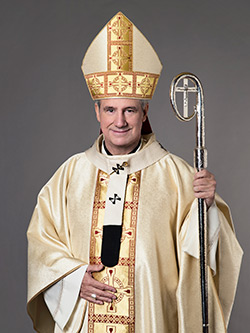
Pope Leo XIV
Jubilee of Synodal Teams, October 24, 2025
"Synodality is not a campaign, it is a way of being for the Church. It is a way of promoting an attitude that begins with learning to listen to one another."
Pope Leo XIV emphasizes that the synodal process aims to help the Church fulfill its missionary vocation: to proclaim the Gospel to the ends of the earth.
He insists on the importance of formation at all levels to overcome resistance and that there is no uniform model imposed, but rather a conversion to the spirit of being Church.
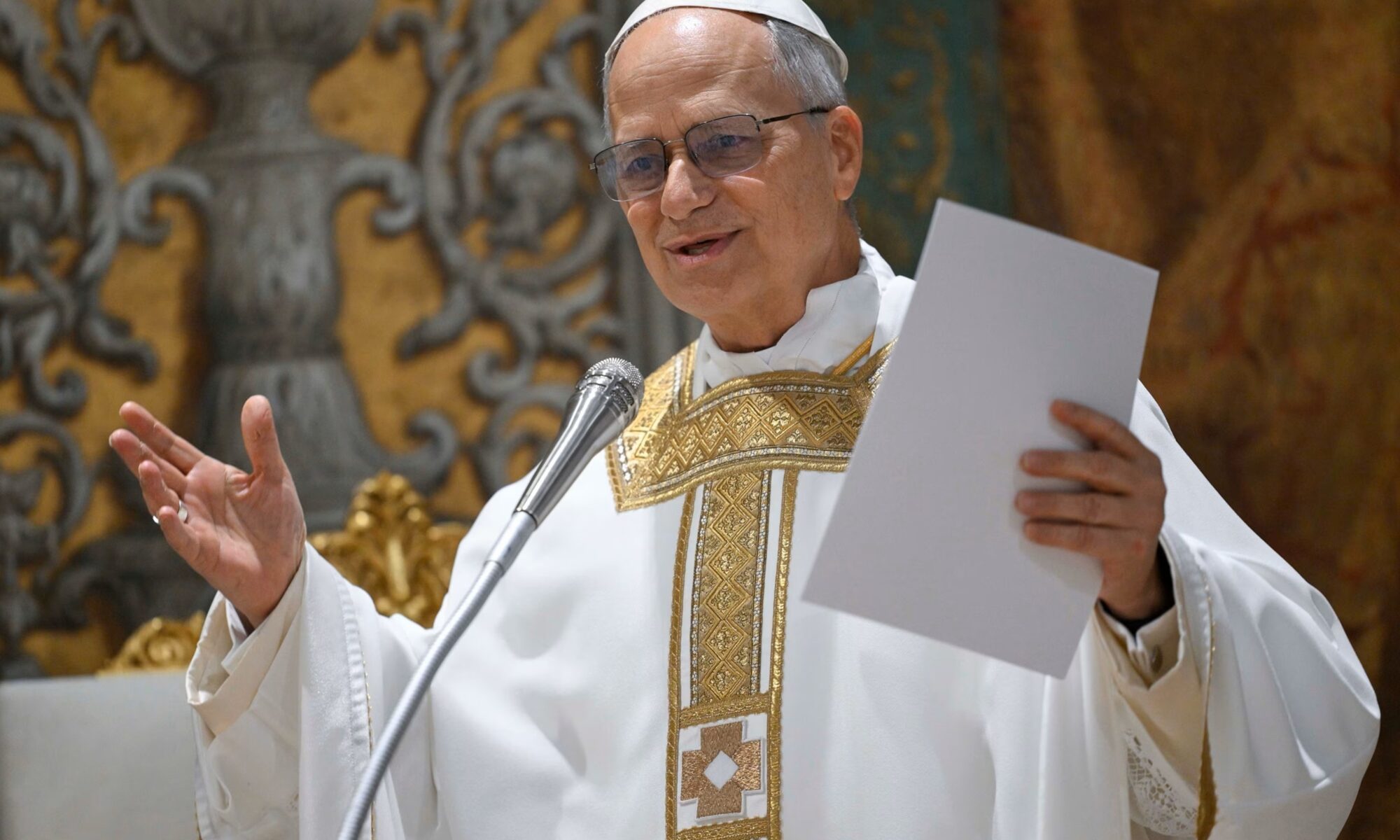
Bishop of Valleyfield
Bishop Alain Faubert was elected member of the Ordinary Council of the General Secretariat of the Synod of Bishops for North America.
He carries, with others, the reflection on how to implement the Synod on Synodality in our continent (Canada–United States). This responsibility creates a direct link between Montreal and the Roman dynamic, enriching our diocesan journey with continental and universal exchanges.
The Diocese of Quebec announces a change of direction for its major diocesan gathering. The traditional "Assises" will give way to the Great Missionary Assembly (GMA), which will be held from September 15-17, 2025 at the Delta Hotel in Mont Sainte-Anne.
This new name reflects the diocese's desire to continue its reflection on missionary and synodal transformation, following the Synod on Synodality concluded in Rome in October 2024.
Source: CCCB Partner Committee, November 2025
Letter from the Synod Secretariat for the implementation phase
Resources from synod.va
Webinars or Pope Francis messages on synodality
The June 14, 2025 Synodal Assembly allowed discerning concrete priorities for Montreal: radical welcome, integrated formation, interculturality, shared leadership, missionary boldness.
The challenge now is to transform these orientations into stable actions in parishes and services, so that synodal conversion becomes a daily reality.
Constitution of a permanent team to carry the synodal journey throughout the year, beyond occasional assemblies.
Training parish pastoral councils in the art of spiritual conversation, to improve the quality of listening and discernment.
Development of a program that integrates prayer, doctrine, fraternity and charitable engagement, for holistic formation of the baptized.
Reflection on renewal and formation modalities for councils, to strengthen their representativity and missionary effectiveness.
Preparation of a diocesan ecclesial assembly linked to the Synod, to take stock of synodal conversion and discern next steps.
Discover the reflections and teachings of Father Raymond Lafontaine and Bishop Alain Faubert on the Synod on Synodality through a series of videos and podcasts.
"We stand before You, Holy Spirit, as we gather together in Your name. With You alone to guide us, make Yourself at home in our hearts."